




Security Supervisors
Train to lead security teams, manage incidents, and uphold professional standards on-site.

This SIRA-approved course, prepares aspiring security supervisors to lead teams effectively, manage incidents, and uphold professional standards through strong planning, communication, and decision-making skills.
Course Fee
Duration
4 Days
Language
English
Training Hours
24 Hours
Location
Dubai, UAE
Format
In-Person
To register for this course, you must meet the following minimum requirements:
Category | Minimum Requirement |
|---|---|
Education | Higher secondary certificate (high school graduate or equivalent) |
Security Experience | 5 years |
Age | Between 25 and 65 years old |
Description
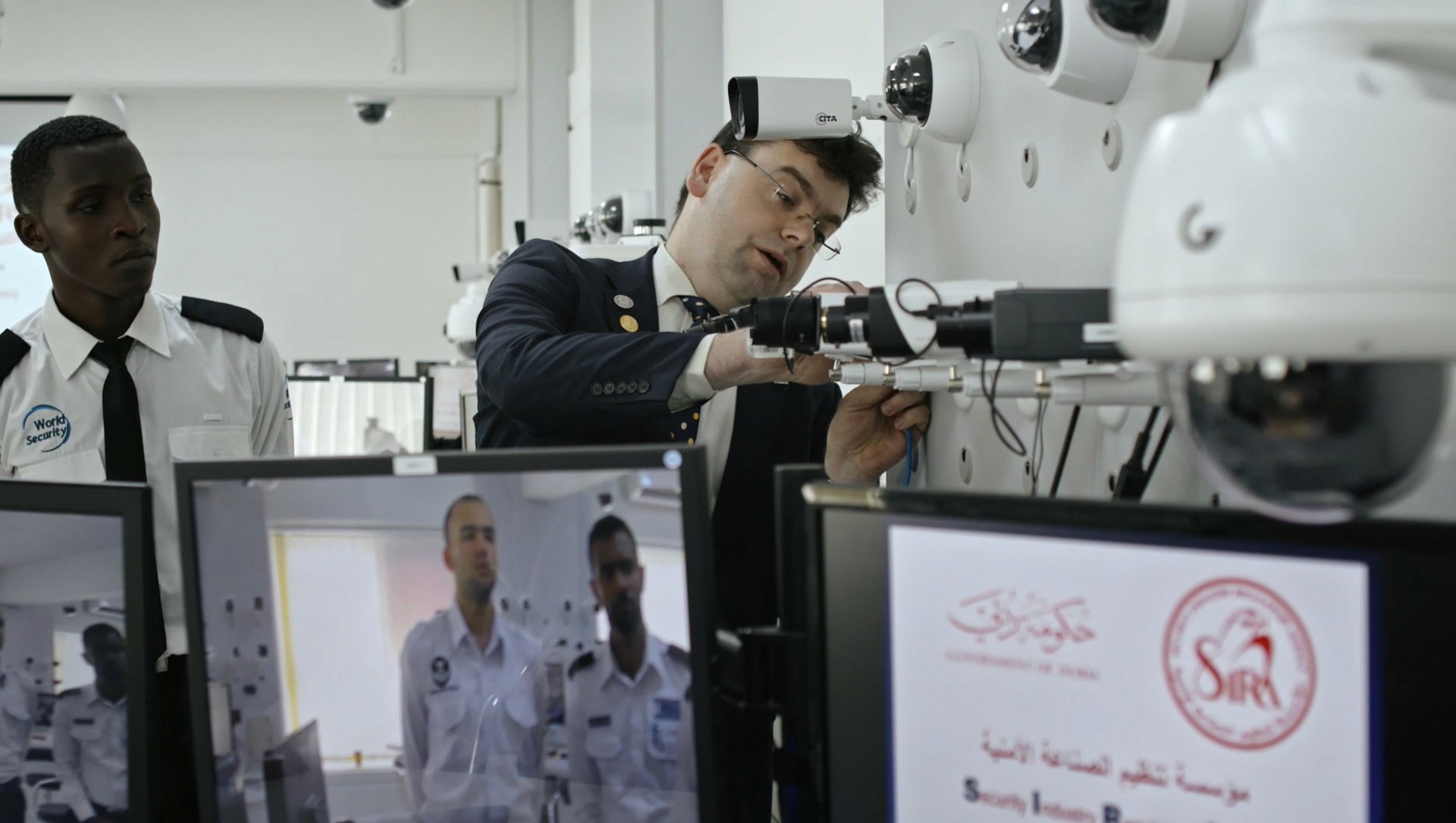
This in-person training course is designed for individuals progressing into supervisory roles within the security industry. Approved by SIRA, it provides the leadership, communication, and operational skills needed to manage frontline teams, respond to incidents, and ensure professional conduct across security operations.
Combining theory with practical group exercises, participants build the confidence to delegate, motivate, and lead effectively - while also learning how to manage emergencies and difficult situations with authority and composure.
Key Topics
Role and Responsibilities of a Security Supervisor: Understanding leadership expectations in a security context.
Planning and Organising: Core principles for structuring tasks and managing priorities.
Communication: Effective verbal and written communication techniques.
Planning and Communication Exercise: Applying principles in a simulated scenario.
Leadership and Delegation: Leading by example and assigning responsibilities appropriately.
Motivation: Techniques for encouraging high performance and morale.
Leadership and Motivation Exercise: Practical teamwork activity to reinforce key concepts.
Teamwork: Building cooperation and collaboration within security teams.
Teamwork Exercise: Group-based task to test team dynamics and cohesion.
Problem Solving and Decision Making: Structured approaches to managing operational challenges.
Problem Solving and Decision-Making Exercise: Hands-on application of models and strategies.
Customer Service and Managing Difficult People: Conflict resolution and handling complaints professionally.
Working with Emergency Services: Roles, protocols, and coordination in joint response.
Controlling the Scene of an Incident: Scene management and first-response actions.
Securing and Controlling Evidence: Preserving evidence in line with legal requirements.
Incident Exercise: Realistic scenario requiring leadership, coordination, and reporting.